Introduction
Retaining walls play a pivotal function in landscaping and building, especially in areas susceptible to erosion or where modifications in elevation take place. The significance of employing a qualified retaining wall contractor can not be overemphasized. Whether you're considering a timber sleeper keeping wall, a concrete sleeper maintaining wall, or perhaps a brick retaining wall, understanding the complexities included can conserve you time, money, and future headaches. This short article explores the multifaceted function of a retaining wall installer near you, supplying insights that will empower house owners and home designers alike.
Understanding the Role of a Retaining Wall Installer Near You
When you think of landscaping, it's easy to overlook the vital structural aspects that contribute to affordable expert retaining installation its charm and effectiveness. A retaining wall installer is not simply a laborer; they are proficient professionals who understand soil mechanics, drainage systems, and visual design concepts. They make sure that your keeping walls serve their purpose while boosting your home's appeal.
What is a Retaining Wall?
A retaining wall is an engineered structure designed to hold back soil and prevent erosion. It can be made from numerous materials such as timber, concrete, brick, or stone. The choice of material frequently depends upon aspects like visual appeals, cost, and environmental conditions.
Why Do You Need a Maintaining Wall?
- Erosion Control: Prevents soil from removing throughout heavy rains. Land Usage: Permits the creation of flat locations on sloped land. Aesthetic Appeal: Boosts landscape style with innovative options. Property Value Boost: A properly designed retaining wall can raise your home's market value.
The Value of Hiring Resident Experts
Choosing a local retaining wall specialist near you guarantees that they are familiar with regional policies, soil conditions, and climate obstacles. This localized competence can make all the difference in developing a long lasting and effective structure.
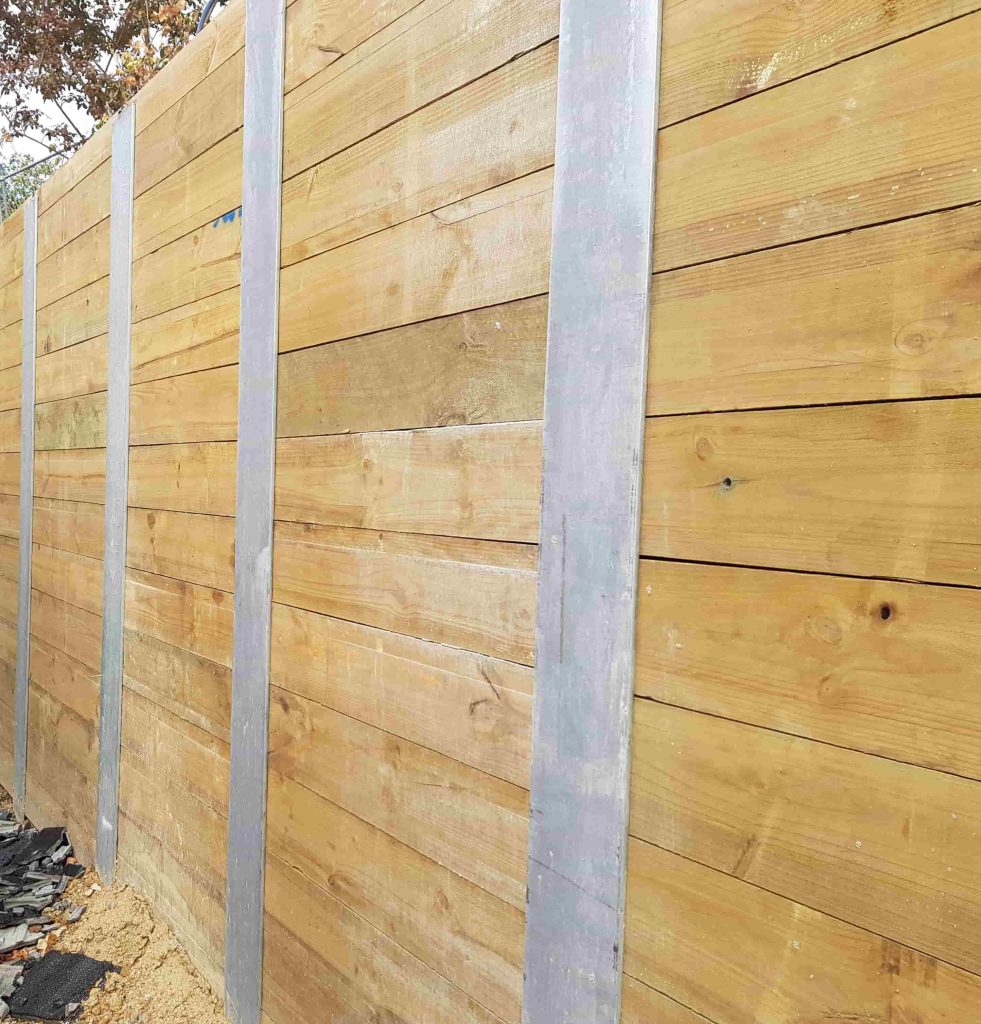
Types of Keeping Walls
Timber Sleeper Retaining Walls
Timber sleeper walls are popular due to their cost-effectiveness and natural appearance. However, they need appropriate treatment to withstand moisture and insects.
Advantages:
- Cost-effective Aesthetic appeal Easy installation
Disadvantages:
- Limited lifespan Susceptible to rot
Concrete Sleeper Retaining Walls
Concrete sleepers supply sturdiness and strength. They are perfect for much heavier loads but may need expert setup due to their weight.
Advantages:
- Long-lasting Strong structural integrity Low maintenance
Disadvantages:
- Higher preliminary cost Limited design choices compared to timber
Brick Retaining Walls
These walls provide classic sophistication but require more knowledge throughout installation.
Advantages:
- Aesthetic versatility Durability Fire-resistant
Disadvantages:
- Higher labor costs More complex construction process
Stone Retaining Walls
Natural stone supplies unmatched charm however includes higher costs and requires skilled labor for correct installation.
Advantages:
- Unique and stylish appearance Extremely durable
Disadvantages:
- High product costs Requires expert craftsmanship
The Process of Retaining Wall Installation
1. Preliminary Consultation
Before any work begins, it's vital to discuss your needs with your chosen specialist. Throughout this phase, they'll examine your residential or commercial property, determine possible challenges, and recommend suitable materials.
2. Website Preparation
Proper site preparation includes clearing vegetation, grading the land, and guaranteeing adequate drainage systems are in place.
3. Material Selection
The choice between lumber, concrete, brick or stone will depend on different aspects including budgetary restraints and visual preferences.
4. Construction Phase
This involves laying the structure stones or obstructs according to engineering concepts that guarantee stability against lateral earth pressures.
5. Backfilling & & Drainage Installation
After constructing the wall itself, it is necessary to backfill with gravel or sand for appropriate drainage-- an essential consider extending the life of your retaining wall.
Key Considerations Before Hiring a Retaining Wall Installer Near You
1. Experience Matters
Look for installers with tested experience in numerous kinds of maintaining walls-- this speaks volumes about their capability.
2. Portfolio Review
Ask for examples of previous work; this will give you insight into their design and quality standards.
3. Licensing & & Insurance
Ensure that your picked professional has appropriate licenses and insurance coverage for assurance during the project.
FAQs About Retaining Wall Installers
Q1: How much does it usually cost to install a maintaining wall?
A1: Costs differ commonly based on products used(lumber vs concrete ), height requirements, labor charges, and website conditions however anticipate anywhere from$15 -$50 per square foot.
Q2: The length of time does it take to install a maintaining wall?
A2: Typically between one day to a number of weeks depending upon size intricacy; a skilled contractor will provide an estimated timeline throughout consultation.
Q3: Can I install my own keeping wall?
A3: While DIY is possible for smaller sized projects using timber sleepers or simple designs-- professional assistance is suggested for bigger structures due to safety concerns associated with stability & local codes.
Q4: What permits do I need for developing a maintaining wall?
A4: This varies by locality; check local zoning laws relating to height limitations & structural requirements before proceeding with building and construction plans.
Q5: What kind of maintenance do & these walls require?
A5: Regular assessments for drainage problems & repair work as needed make sure longevity; maintenance requires depend mainly on the type chosen(e.g., wood might need staining/sealing ).
Q6: Where can I find credible professionals near me?
A6: Online directory sites like Yelp or Angie's List provide client evaluations; word-of-mouth referrals from next-door neighbors are also helpful sources!
Conclusion
In essence, understanding the function of a retaining wall installer near you is necessary when preparing any landscaping task involving elevation modifications or disintegration control solutions. From selecting the ideal material-- be it timber sleeper maintaining walls or robust concrete options-- to ensuring right installation practices are followed by certified regional experts-- the result significantly impacts both performance and aesthetic value over time.
Investing time upfront into research study pays dividends later on when delighting in well-built structures that stand strong against nature's forces while boosting outdoor living spaces effortlessly! For that reason always focus on employing professional contractors who can effectively translate your vision into truth while adhering strictly to market requirements-- because at the end of day nothing beats peace-of-mind understanding you have actually made informed choices!